Environment, Plants, Animals, and Ecological Knowledge

Indigenous Environmental Knowledge in Embu and Mbeere Communities
The Embu and Mbeere communities
possess rich indigenous ecological knowledge developed through generations of interaction
with forests, rivers, hills, wildlife, plants, and changing weather patterns.
The environment has traditionally shaped agriculture, livestock keeping,
medicine, spirituality, food systems, and cultural identity.
Plants, animals, and natural landscapes
are not only valued for economic purposes but also for medicinal, ceremonial,
spiritual, and environmental significance. Indigenous ecological knowledge
helped communities understand seasons, conserve resources, and maintain harmony
with nature.
Important
Plants and Their Uses
Food
Crops and Indigenous Plants
Traditional farming in Embu and
Mbeere communities included crops such as:
- Millet
- Sorghum
- Maize
- Beans
- Cowpeas
- Pigeon peas
- Cassava
- Sweet potatoes
- Arrow roots
- Bananas
These crops formed the foundation of
food security and traditional diets.
Indigenous vegetables and edible
plants were also widely used, including:
- Cowpea leaves
- Pumpkin leaves
- Traditional herbs and wild vegetables
Many plants were valued because they
could survive drought and harsh climatic conditions.
Medicinal
Plants
Traditional medicine relied heavily
on herbs, roots, bark, and leaves collected from forests and natural
vegetation.
Medicinal plants were used to:
- Treat stomach illnesses
- Relieve fever and pain
- Heal wounds
- Assist childbirth and recovery
- Protect livestock from diseases
Knowledge of medicinal plants was
mainly preserved by:
- Elders
- Herbalists
- Traditional healers
Some plants were considered sacred
or powerful and could only be harvested under certain conditions.
Trees
and Forest Resources
Trees played important ecological
and cultural roles.
Important uses of trees included:
- Firewood
- Building materials
- Making tools and carvings
- Traditional beehives
- Medicine
- Shade and soil protection
Some trees were associated with:
- Sacred sites
- Rituals and prayers
- Rainmaking ceremonies
- Community meetings
Large indigenous trees often
symbolized wisdom, continuity, and protection.
Important
Animals and Their Cultural Meaning
Livestock
Domestic animals were highly valued
in both Embu and Mbeere communities.
Common livestock included:
- Cattle
- Goats
- Sheep
- Chickens
Animals provided:
- Food
- Milk
- Manure
- Bride price
- Wealth and social status
Livestock were also important during
ceremonies, reconciliation processes, and traditional rituals.
Wild
Animals
Communities possessed detailed
knowledge of wild animals and their behavior.
Commonly recognized animals
included:
- Hyenas
- Leopards
- Buffaloes
- Monkeys and baboons
- Antelopes
- Snakes
- Birds and insects
Animals were important in:
- Folktales and proverbs
- Naming systems
- Environmental signs and predictions
- Cultural teachings and warnings
Some animals symbolized bravery,
wisdom, danger, greed, or strength.
Bees
and Honey
Beekeeping was an important
traditional practice.
Honey was used for:
- Food
- Medicine
- Brewing traditional beverages
- Ceremonial exchanges and gifts
Traditional log hives were placed in
forests or trees, and honey harvesting required environmental knowledge and
specialized skills.
Natural
Features and Landscape Knowledge
Rivers
and Water Sources
Rivers, streams, and springs were
important for:
- Domestic use
- Farming
- Livestock watering
- Fishing and gathering food
Certain rivers and water points were
considered sacred or associated with ancestral beliefs.
Communities developed rules to protect
water sources from pollution and destruction.
Hills,
Forests, and Sacred Places
Hills and forests often held:
- Spiritual significance
- Historical importance
- Sacred shrines and ritual sites
Some forests were protected because
they were believed to house ancestral spirits or serve ceremonial functions.
People respected sacred natural sites and avoided destructive behavior in such areas.
Indigenous
Environmental Knowledge
Understanding
Seasons and Weather
The Embu and Mbeere communities
traditionally predicted weather through observation of:
- Bird movements and sounds
- Flowering of trees
- Insect activity
- Wind direction
- Cloud formation
- Behavior of livestock and wild animals
These signs helped communities
prepare for:
- Planting seasons
- Harvesting periods
- Droughts or heavy rains
- Livestock movement
Environmental observation formed an important part of indigenous scientific knowledge

Describing
Environmental Changes
Communities recognized environmental
changes through:
- Drying rivers and springs
- Reduced rainfall
- Soil erosion
- Declining forests
- Decreased wildlife populations
- Changes in crop yields
Elders often compare present
environmental conditions with earlier times when forests, rivers, and rainfall
were more stable and predictable.
Conservation
Practices and Ecological Taboos
Traditional
Conservation Practices
Indigenous conservation methods
included:
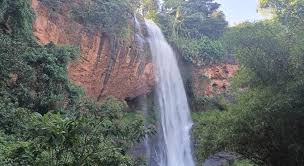
- Protecting sacred forests and water sources
- Controlled harvesting of trees and medicinal plants
- Rotational grazing
- Respecting breeding seasons for animals
- Preserving seeds for future planting
Communal rules helped regulate use
of natural resources.
Modern
Environmental Changes
Modern challenges affecting
indigenous ecological systems include:
- Deforestation
- Population growth
- Urbanization
- Climate change
- Modern farming practices
- Loss of indigenous knowledge
Despite these changes, traditional
environmental knowledge continues to influence farming, conservation, and
cultural practices in many rural areas.