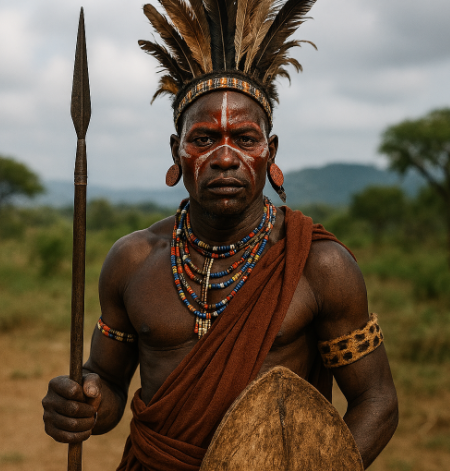
Oral Traditions

Explore traditional stories, proverbs, riddles, poems, songs, and historical narratives passed down through generations.

Find Out More
Indigenous languages

Learn authentic Kῑembu and Kῑmbeere words, meanings, expressions, greetings, and cultural vocabulary.

.

Find Out More
Traditional Foods

Discover foods such as mbembe, mūvῑa, mwere, mboco, ngwacῑ, and traditional beverages including kῑmūnyūrū and mūkūūi.

Find Out More
Sacred Sites and Heritage

Explore caves, rivers, forests, waterfalls, sacred groves, hills, and historical heritage locations.

Find Out More

Our Mission

At CIS-ETHN, we believe in the power of culture to connect communities and promote understanding. Our mission is to preserve, promote, and share the cultural heritage of the Tharaka, Aembu, and Ambeere peoples.
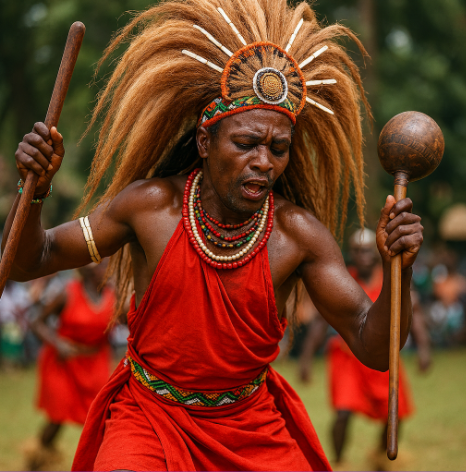
Prof L. Gitonga

Powered by Artificial Intelligence

CIS-ETHN uses Artificial Intelligence and Natural Language Processing technologies to transform how cultural heritage is accessed and preserved.

.
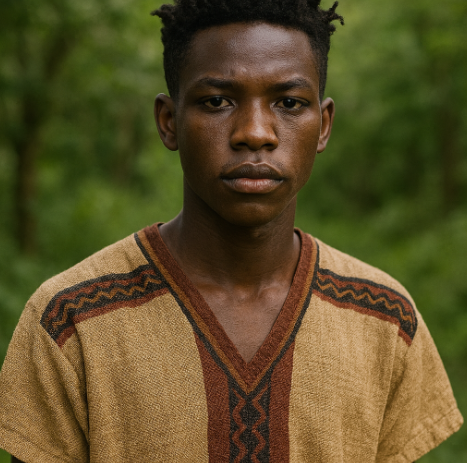
AI-Driven Conversational Interface
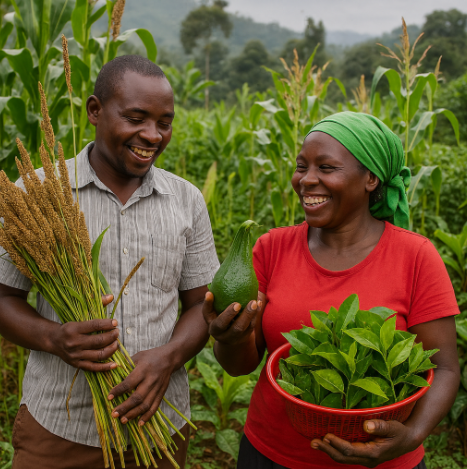
Digital Archiving of Cultural Heritage 
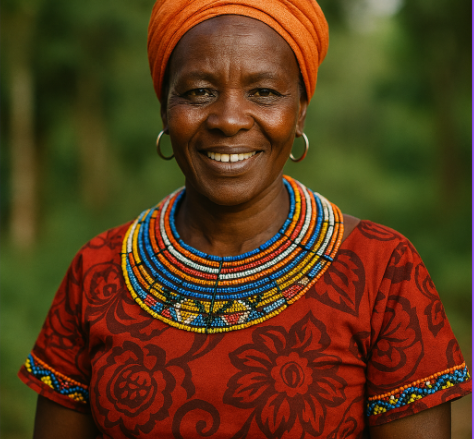
Virtual and Augmented Reality (VR/AR) for Heritage Exploration 

Culture and heritage 

Discover the richness of Tharaka, Embu and Mbeere heritage.

Tharaka Culture
Embu Culture
Mbeere Culture 

Funded By

nRF


Get in Touch with CIS-ETHN

Connect with us and join our efforts in preserving cultural heritage in your community!

Our knowledge domains

Discover the culture and heritage of the Aembu and Ambere communities under the following domains.
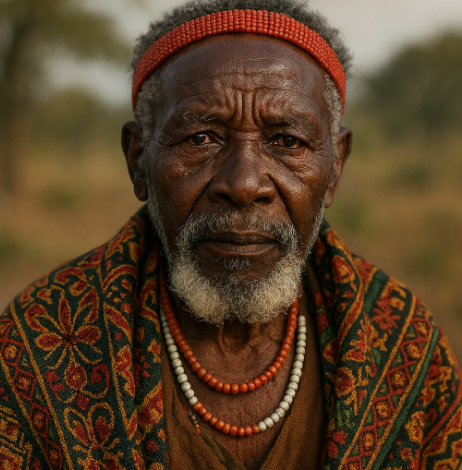
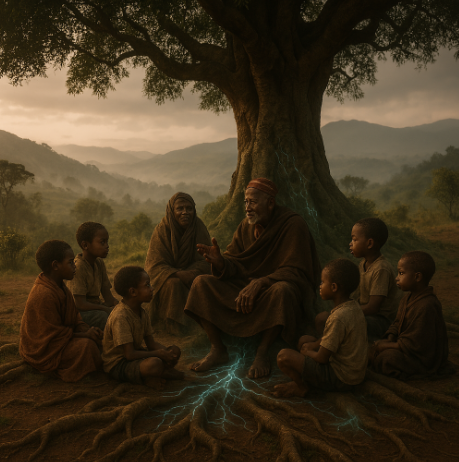
1.  Oral Traditions

2.  Rituals and Cultural Practices

3.  Material Culture (Artifacts)

4.  Traditional Knowledge and Medicine

5.  Spaces and Sites of Heritage

6.  Performance Arts

7.  Foods, Preparation and Preservation

8.  Social Life and Naming Systems

9.  Emotions, Identity and Politeness

10.    Governance, Conflict Resolution, and Justice Systems

11.      Indigenous Time and Calendar Systems

12.      Traditional Economies and Work Practices

13. Metaphorical and Idiomatic Language

14.      Children’s Language and Play

15.      Environment, Plants, Animals and Ecological Knowledge

16.      Life Cycle and Transition Rites